Introduction
In an era where climate change has moved from the peripheral to the heart of societal concerns, sustainable living has become a significant trend, even in the sphere of luxury living. This transformation isn't just about embracing renewable energy or promoting recycling; it's about reimagining our built environment to be more harmonious with nature. This is particularly true in the world of high-end residences, where sustainability is becoming a coveted luxury.
The city of London, known for its historical and architectural grandeur, is a prime example where this transition is unfolding. The luxury real estate market is increasingly adopting eco-friendly features, making sustainability a new symbol of opulence. Let's examine this fascinating trend by exploring some of the most innovative green features found in London's luxury properties.
As we delve deeper into the "Introduction" of the pressing issue of climate change, it becomes evident that the need for sustainable practices has never been more crucial. Initiatives such as carbon offset programs, renewable energy investments, and eco-friendly product designs are gaining traction as individuals and businesses alike strive to mitigate their environmental impact. This introductory phase serves as a gateway to understanding the complexities of climate change and the multifaceted solutions required for a sustainable future.
In this era where environmental consciousness is no longer a choice but a necessity, the "Introduction" section acts as a foundational platform for exploring the interconnectedness between human activities and the environment. By delving into topics like sustainable urban planning, circular economies, and biodiversity conservation, readers are equipped with the knowledge needed to make informed decisions that positively impact the planet. This section sets the stage for a comprehensive exploration of how collective efforts, starting from individual actions to global policies, can drive meaningful change for a greener and more sustainable world.
Green Building Materials
The use of sustainable building materials is one of the key components in the construction of eco-luxury residences. Developers are opting for locally sourced materials, reducing the carbon footprint associated with transportation. For example, the prestigious London development, One Tower Bridge, utilised locally sourced Portland Stone in its construction.
Moreover, reclaimed materials such as wood, metal, and glass are gaining popularity. Notable properties like The Natural House at the Prince's Foundation utilise such materials to reduce waste and create a distinct aesthetic appeal. These practices mirror the shift in luxury consumer behaviour towards sustainable choices, even in construction.
In the realm of green building materials, bamboo stands out as a versatile and sustainable option. This fast-growing plant is not only renewable but also incredibly strong, making it an ideal choice for flooring, furniture, and even structural elements. Its rapid growth rate means that it can be harvested more frequently than traditional timber, reducing pressure on forests. Additionally, bamboo requires minimal water and pesticides to thrive, further enhancing its eco-friendly profile.
Another innovative green material gaining traction in the construction industry is recycled glass. By transforming discarded glass bottles and jars into decorative tiles, countertops, and insulation, this material helps reduce waste while adding a unique aesthetic touch to buildings. Recycled glass products come in a variety of colors and styles, offering designers endless possibilities for creating sustainable and visually appealing spaces. Embracing these cutting-edge green building materials not only minimizes environmental impact but also fosters a more conscious and responsible approach to construction practices.
Energy Efficiency
Another prominent feature of sustainable luxury residences is energy efficiency. High-end properties are integrating innovative technologies to reduce energy consumption. For instance, the Knightsbridge apartments incorporate photovoltaic panels and ground source heat pumps to generate renewable energy and provide heating and cooling solutions.
Furthermore, intelligent home systems are becoming a standard feature in luxury residences. These systems, like the one used in The Lancasters development, can regulate lighting, heating, and cooling based on the residents' usage patterns, significantly reducing energy waste.
In the realm of energy efficiency, smart home technologies play a pivotal role in modern luxury residences. From automated lighting systems that adjust based on natural light levels to smart thermostats that learn household patterns and optimize energy usage, these cutting-edge solutions not only enhance convenience but also significantly reduce energy wastage. Imagine arriving home to a perfectly lit, cozy space without ever worrying about leaving lights on unnecessarily or adjusting the thermostat manually. These innovations not only elevate the living experience but also contribute to a greener, more sustainable lifestyle.
Furthermore, the integration of renewable energy sources such as solar panels and geothermal heating systems is becoming increasingly prevalent in luxury real estate. Properties equipped with solar panels harness the power of the sun to generate electricity, reducing reliance on traditional energy grids and lowering utility costs. Geothermal heating utilizes the earth's natural heat to regulate indoor temperatures efficiently. These eco-friendly features not only align with the principles of sustainability but also add value to the property, reflecting a commitment to energy-efficient practices in the realm of luxury living.
Green Spaces and Biodiversity
Amid the urban sprawl of London, green spaces within luxury residences are a breath of fresh air. They not only enhance the aesthetic appeal of the properties but also promote biodiversity and improve air quality. The Chelsea Barracks development, for instance, includes extensive landscaped gardens and a 'green corridor' to encourage wildlife.
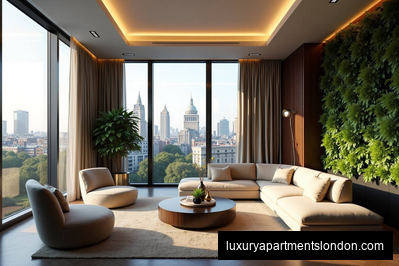
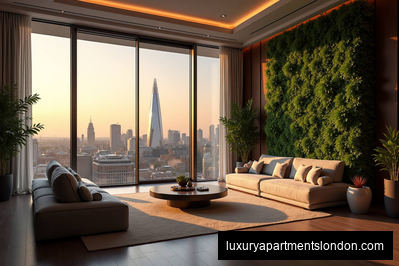
Furthermore, green roofs and walls, like those at the NEO Bankside development, are used to insulate buildings, reducing energy needs for heating and cooling. These green spaces also help manage stormwater, reducing the risk of urban flooding, while providing a habitat for local flora and fauna.
The integration of green spaces in urban environments not only offers a respite from the concrete jungle but also plays a crucial role in supporting biodiversity. Take, for instance, the lush rooftop gardens of sustainable skyscrapers in Singapore. These green oases not only provide a sanctuary for city dwellers but also serve as vital habitats for a variety of plant and animal species. From pollinators like bees and butterflies to native plant species, these green spaces contribute to the overall ecological balance within the city.
Furthermore, the careful selection of plant species in these green spaces can enhance biodiversity by attracting a diverse range of wildlife. For example, incorporating native plant species in community parks can support local bird populations and help maintain a healthy ecosystem. By prioritizing biodiversity in the design and maintenance of green spaces, we can create harmonious environments that benefit both humans and wildlife, fostering a deeper connection to nature within urban landscapes.
Water Efficiency
Water efficiency is another critical aspect of sustainable luxury residences. High-end properties are integrating rainwater harvesting systems, greywater recycling, and water-efficient fixtures to reduce water consumption. For example, the prestigious One Hyde Park has implemented a rainwater harvesting system that is used for irrigation and flushing toilets.
Additionally, the use of water-efficient appliances and fixtures, like those in the Battersea Power Station development, significantly reduce water usage without compromising comfort. These practices exemplify how luxury residences can be opulent yet responsible in their resource consumption.
In the realm of water efficiency, innovative technologies are revolutionizing how luxury residences conserve and manage water resources. One example is the integration of smart irrigation systems that adjust watering schedules based on real-time weather data, ensuring that lush landscapes are sustained without unnecessary water waste. Additionally, advanced filtration systems installed in upscale homes not only provide purified water for consumption but also significantly reduce the overall water usage within the property.
Furthermore, the design and construction of luxury residences now often incorporate features such as rainwater harvesting systems and greywater recycling systems. These sustainable solutions not only minimize the reliance on traditional water sources but also contribute to the overall eco-friendliness of the property. By embracing these cutting-edge water efficiency practices, luxury homeowners can enjoy opulent living spaces while actively participating in conservation efforts that benefit both the environment and future generations.
Conclusion
Sustainability in luxury is no longer an oxymoron; it's a necessity in our current climate. High-end residences in London are setting a precedent by integrating eco-friendly features, showcasing the fusion of luxury and sustainability. These properties are not just about extravagant living; they represent a conscious lifestyle that respects and cherishes our planet.
By embracing sustainable building materials, energy-efficient technologies, green spaces, and water-saving measures, these residences are redefining the meaning of luxury. They are proving that sustainable living and high-end luxury are not mutually exclusive but can harmoniously coexist. This evolution in luxury living is not just a trend; it's a testament to our society's growing commitment to sustainable living, even in the realm of opulence.
As we draw towards the conclusion of our exploration into the realm of sustainability in luxury, it becomes evident that this movement is not just a passing trend but a fundamental shift in the industry. The integration of sustainable practices is now a defining factor in the success and relevance of luxury brands. What was once considered a niche market segment has now become a mainstream expectation among consumers who are increasingly conscious of the environmental and social impacts of their purchases.
From eco-friendly materials to ethical sourcing practices, luxury brands are redefining their values to align with the growing demand for sustainability. This shift towards a more responsible approach not only benefits the planet but also enhances the brand's reputation and appeal to a new generation of eco-conscious consumers. The conclusion we can draw is clear: sustainability is no longer a choice but a strategic imperative for luxury brands looking to thrive in a rapidly evolving market landscape.